
Fire contribution clearly bounded
The fire-engineering scope is separated from structural and management evidence.
Magnus Opifex Seven · UK fire engineering
Principal Accountable Persons receive a fire-engineering contribution to the safety case for an occupied higher-risk building in England.
Open the safety-case working schedule to see each evidence item alongside its official source.
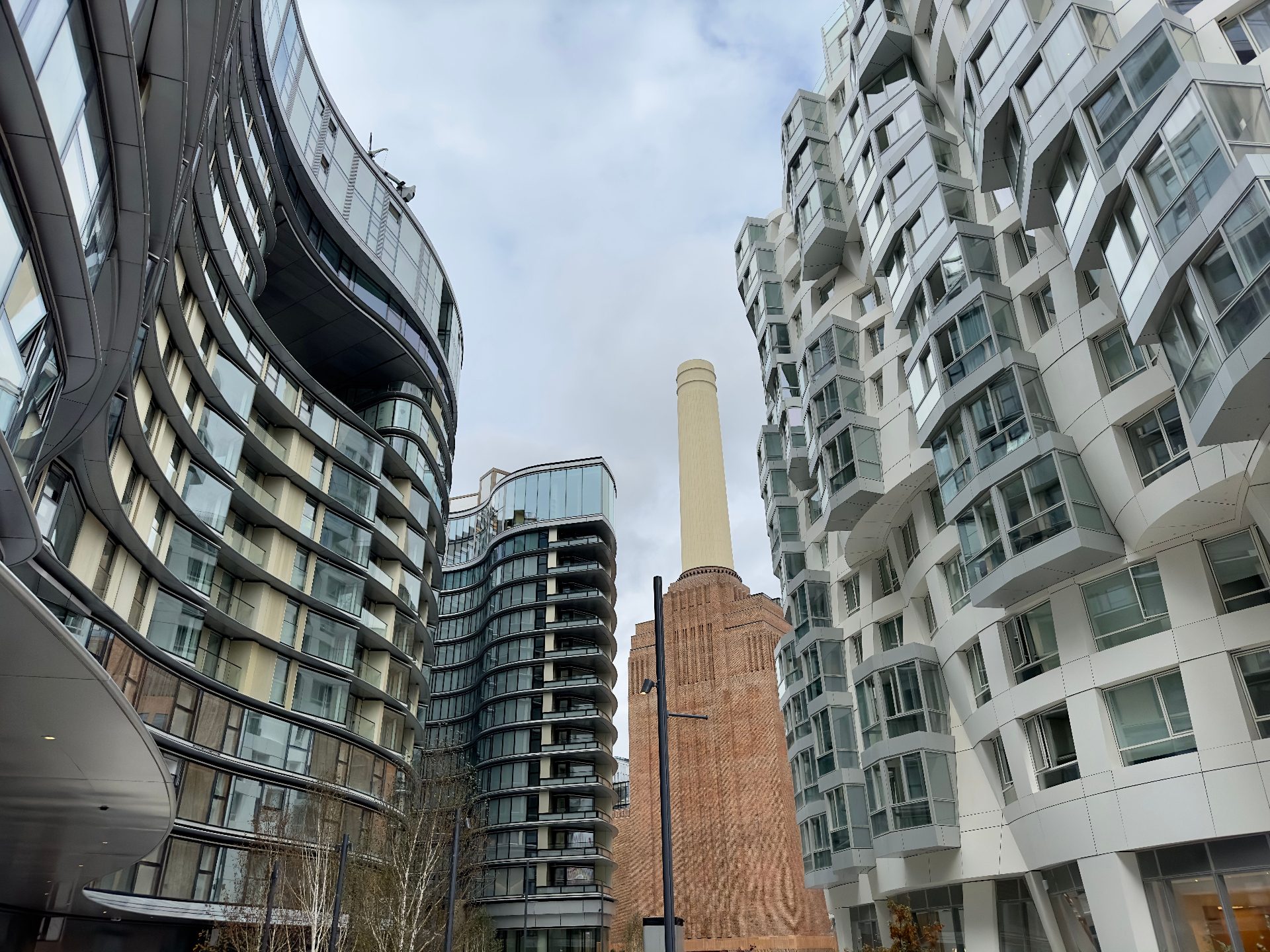
Photograph: Battersea Power Station · wider team fire-engineering experience, not evidence of this service instruction
We will clarify your scope before preparing a written fee proposal.
For an occupied higher-risk building in England, agree the fire-engineering contribution needed by the Principal Accountable Person. The appointment covers that contribution; the complete safety case report and structural analysis require their own inputs.
Building details, the evidence register, existing strategy, report draft and identified fire-spread questions determine the review. Separate unknown construction evidence from information that is held but has not yet been integrated.
You receive the agreed fire-hazard, control and evidence-gap information for integration by the Principal Accountable Person. A working schedule helps organise the supporting records; issuing the safety case and obtaining a regulator decision remain separate steps.
Organise the fire-safety evidence that supports an occupied higher-risk building's safety case.
A documented fire-engineering contribution that the Principal Accountable Person can integrate with structural input and the wider safety case report.
Experience reflects the senior team’s careers. Full development values of projects represented in the portfolio; Magnus delivered defined fire-engineering scopes. The 900+ figure covers completed projects across the Magnus portfolio, not clients or individual-service totals.
For Principal Accountable Persons and their teams addressing fire-spread evidence in an occupied higher-risk building in England.
A scoped fire-engineering contribution records hazards, controls and evidence gaps for integration by the PAP, not the whole safety case or structural analysis.
Start with the building details, PAP arrangements and the fire-safety question. Share any evidence register or report draft held; a completed safety case is not required to begin scoping.
This service concerns occupied higher-risk buildings in England. It is distinct from the building control approval route for higher-risk building work.
The Principal Accountable Person prepares and keeps the safety case report. Magnus can contribute fire-engineering analysis; competent structural input and the wider management evidence remain separate responsibilities.
Scoped: the instruction and exclusions are agreed in writing
Evidence-led: unknowns and access limits stay visible
Actionable: the output supports a defined project decision
Scoped fire-engineering input to the safety case and safety case report, including fire-risk evidence, control measures, gaps and interfaces with structural-safety evidence.
A documented fire-engineering contribution that the Principal Accountable Person can integrate with structural input and the wider safety case report.
Safety case evidence is fragmented
Fire and structural interfaces are unclear
The safety case report needs a fire-engineering contribution
Changes or incidents require the evidence position to be reviewed
The Principal Accountable Person needs a gap schedule
Fire-safety evidence inventory and gap schedule
Fire spread hazard and control narrative within scope
Interfaces requiring structural or other specialist input
Assumptions, limitations and evidence ownership matrix
Technical review support for the fire-engineering contribution
The fire-engineering scope is separated from structural and management evidence.
Every gap is assigned to an evidence owner rather than silently absorbed.
Outputs are organised around the decision the wider safety case must explain.
The question, available evidence, access and required output are agreed before a quotation is issued.
Scope and exclusions agreed
Evidence and limitations recorded
Written output issued
The output is a scoped fire-engineering contribution; the Principal Accountable Person retains the whole safety case and report responsibility.
The Principal Accountable Person retains responsibility for preparing and keeping the safety case report.
The statutory scope addresses fire spread and structural failure; structural analysis requires separately appointed competent input.
This is not Gateway 2 support, a regulator submission or legal advice.
No acceptance, timetable or regulatory outcome is guaranteed.
Principal Accountable Persons
Housing associations
Property management companies
Building engineers and surveyors supporting occupied HRBs
01
Confirm the occupied HRB context and the fire-engineering instruction.
02
Inventory evidence, owners and structural interfaces.
03
Examine fire-spread hazards and controls within scope.
04
Record missing, conflicting or ageing evidence.
05
Issue the contribution for PAP-led integration and review.
A simplified view of the sequence described above. The actual steps, inputs and outputs are confirmed in the written scope for your project.

Our major-project work brings together a package of consultancy services. Explore these selected projects for their building context and our role. For your project, the service scope is agreed against its jurisdiction, stage and information available.
Cumbria, UK
Fire-engineering support across building packages within the Sellafield estate: site conditions, structural fire protection, compartmentation, fire stopping, doorset interfaces and fire-strategy coordination.
London, UK
Our team provided fire engineering consultancy on Phases 1, 2 and 3 of the Battersea Power Station redevelopment. On Phase 3, our work included fire engineering strategy and review of cladding and façades.
London, UK
Independent third-party fire-engineering review of refurbishment and reconditioning in operational hospitals.
Building Safety Case Fire-Engineering Support
Use this as a checklist before you ask for a quotation. Tick what you hold; unknown items can be listed as unknown. Nothing here is saved.
Building registration and key building information held Current safety case and report drafts Fire strategy, FRA, surveys and incident records Structural safety information and named specialist interfaces Accountable Person arrangements and requested decision
Discuss your building safety caseMagnus Opifex Seven brings fire engineering, project governance and commercial judgement together. Alina Scarlat brings more than 22 years in fire safety and fire engineering as of November 2026, beginning with an apprenticeship in June 2004. Our team’s career project experience spans three continents. From existing buildings to healthcare estates, heritage assets and nuclear facilities, we turn complex fire-safety questions into written advice, coordinated requirements and practical next steps.
Meet Magnus
Technical Director
Alina Scarlat, Technical Director, leads the engineering assessment, performance requirements, evidence review and technical conclusions.

Founder, CEO and Chief Legal Officer
Nicoleta Vasile, Founder, CEO and Chief Legal Officer, reviews legal and contractual risk as project decisions arise: applicable duties, appointment requirements, responsibility, authority to accept changes and escalation where material evidence remains unresolved. Romanian-qualified advocate (avocat), Bucharest Bar since 16 September 2009, with rights of audience before all Romanian courts and an LLM from City, University of London. UK client representation is separately scoped with an appropriately qualified UK adviser where required.
Projects may need several coordinated instructions; these are not automatically included in every appointment.
Not by default. We provide a scoped fire-engineering contribution; the Principal Accountable Person retains responsibility for the report and wider evidence.
No. The occupied higher-risk regime addresses both the spread of fire and structural failure.
No. Gateway 2 concerns building control approval for higher-risk building work; this service concerns the in-occupation safety case.
The scope depends on the building, the quality of existing records, the fire-risk questions, gaps in surveys and the interfaces with structural and management evidence. Send the existing report and evidence register for a quotation covering the agreed fire-engineering contribution.
Send the building details, current evidence register, safety case material and the specific gap or decision requiring support.
Discuss your building safety case