
Decision-led scope
Reviews are tied to defined design or procurement decisions.
Magnus Opifex Seven · UK fire engineering
Owners and project teams receive a written review of remediation options, designs and agreed inspection evidence.
The team’s wider work includes Battersea Phases 1–3, with Phase 3 strategy and façade review.
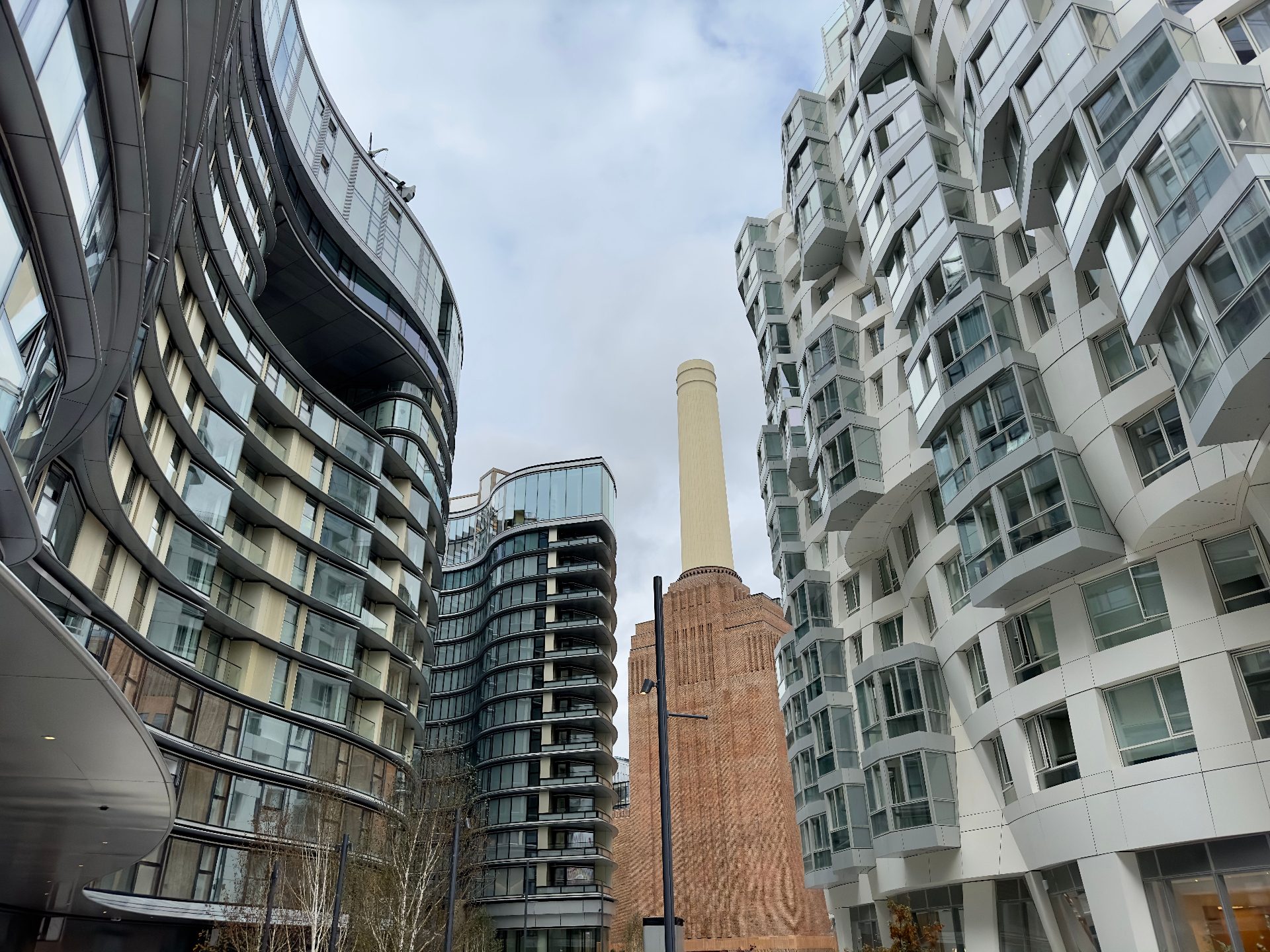
Photograph: Battersea Power Station · wider team fire-engineering experience, not evidence of this service instruction
We will clarify your scope before preparing a written fee proposal.
Start with the finding and required performance, then compare proposed remediation options or designs. A contractor’s proposed detail is not automatically evidence that the original defect has been resolved.
Defect records, design revisions, product evidence, procurement stage and agreed inspection points determine the instruction. Establish who installs, supplies certification and records concealed work before it is covered.
You receive the agreed options, design comments and inspection findings, with any inaccessible or concealed work identified. The installer supplies the installation and certification records. Wider team work at Battersea Phase 3 included strategy and façade review.
Turn fire-safety findings into a defined, reviewable remediation scope.
A documented technical route from identified issue to scoped remediation evidence and review points.
Experience reflects the senior team’s careers. Full development values of projects represented in the portfolio; Magnus delivered defined fire-engineering scopes. The 900+ figure covers completed projects across the Magnus portfolio, not clients or individual-service totals.
For owners and project teams translating fire-safety findings into remediation options, design decisions and evidence requirements.
We review the proposed options or designs and provide inspection support where agreed. Installation and contractor certification are outside this service.
Describe the defect, proposed works and procurement stage. A findings summary or photographs can start the discussion where the design or underlying report is still being assembled.
We support building owners and design teams with the fire-engineering questions behind cladding and façade remediation: the risks identified, options proposed, evidence required and interfaces with the building's fire strategy.
The written appointment defines the design review and inspection scope. Installation, product certification and the wider building-control application remain separate responsibilities. FRAEW and EWS1 requests are separately scoped.
Scoped: the instruction and exclusions are agreed in writing
Evidence-led: unknowns and access limits stay visible
Actionable: the output supports a defined project decision
Technical consultancy supporting remediation option appraisal, design review, evidence requirements and scoped inspection during delivery.
A documented technical route from identified issue to scoped remediation evidence and review points.
FRA, FRAEW or survey actions need translating into a scope
Design proposals need independent technical review
Contractor submissions require fire-safety review
Inspection hold points need defining
Handover evidence is incomplete
Findings and evidence review
Remediation option and interface advice
Performance requirement and design-review comments
Inspection hold-point or witness plan within scope
Handover evidence gap schedule
Reviews are tied to defined design or procurement decisions.
Dependencies between facade, compartmentation, structure and services are recorded.
Required records are considered before work becomes concealed.
The question, available evidence, access and required output are agreed before a quotation is issued.
Scope and exclusions agreed
Evidence and limitations recorded
Written output issued
The output supports specified remediation decisions and evidence checks; installation and certification remain outside the scope.
Magnus provides consultancy, design review and inspection support; it does not install remediation works.
Inspection support is limited to agreed visits and accessible work.
No blanket certification or guarantee of contractor workmanship is provided.
Designer, contractor and dutyholder responsibilities remain with those appointed parties.
Developers and architects
Housing associations
Property management companies
Building engineers and surveyors
Insurance companies reviewing remediation evidence
01
Confirm the underlying evidence and unresolved questions.
02
Set technical objectives, interfaces and evidence needs.
03
Comment on proposals within the agreed fire-safety scope.
04
Attend agreed hold points or witness inspections.
05
Record observations and outstanding handover gaps.
A simplified view of the sequence described above. The actual steps, inputs and outputs are confirmed in the written scope for your project.

Our major-project work brings together a package of consultancy services. Explore these selected projects for their building context and our role. For your project, the service scope is agreed against its jurisdiction, stage and information available.
Cumbria, UK
Fire-engineering support across building packages within the Sellafield estate: site conditions, structural fire protection, compartmentation, fire stopping, doorset interfaces and fire-strategy coordination.
London, UK
Our team provided fire engineering consultancy on Phases 1, 2 and 3 of the Battersea Power Station redevelopment. On Phase 3, our work included fire engineering strategy and review of cladding and façades.
London, UK
Independent third-party fire-engineering review of refurbishment and reconditioning in operational hospitals.
Fire Safety Remediation Support
Use this as a checklist before you ask for a quotation. Tick what you hold; unknown items can be listed as unknown. Nothing here is saved.
Underlying reports and defect schedules Drawings, specifications and proposed design Product and installation evidence available Procurement stage and project roles Required review or inspection decision
Request a remediation reviewMagnus Opifex Seven brings fire engineering, project governance and commercial judgement together. Alina Scarlat brings more than 22 years in fire safety and fire engineering as of November 2026, beginning with an apprenticeship in June 2004. Our team’s career project experience spans three continents. From existing buildings to healthcare estates, heritage assets and nuclear facilities, we turn complex fire-safety questions into written advice, coordinated requirements and practical next steps.
Meet Magnus
Technical Director
Alina Scarlat, Technical Director, leads the engineering assessment, performance requirements, evidence review and technical conclusions.

Founder, CEO and Chief Legal Officer
Nicoleta Vasile, Founder, CEO and Chief Legal Officer, reviews legal and contractual risk as project decisions arise: applicable duties, appointment requirements, responsibility, authority to accept changes and escalation where material evidence remains unresolved. Romanian-qualified advocate (avocat), Bucharest Bar since 16 September 2009, with rights of audience before all Romanian courts and an LLM from City, University of London. UK client representation is separately scoped with an appropriately qualified UK adviser where required.
Projects may need several coordinated instructions; these are not automatically included in every appointment.
No. This service is consultancy, design review and scoped inspection support, not installation.
No. Observations are limited to agreed visits, accessible areas and evidence supplied.
Yes, where the fire-engineering scope and interfaces are defined; FRAEW and any EWS1 question remain separate instructions.
Send the underlying findings, current design information, project stage and the review or inspection support needed.
Request a remediation review