

Magnus Opifex Seven · UK fire engineering
Fire Risk Assessments for UK Premises
Responsible persons and property managers receive a written fire risk assessment and prioritised actions for occupied premises.
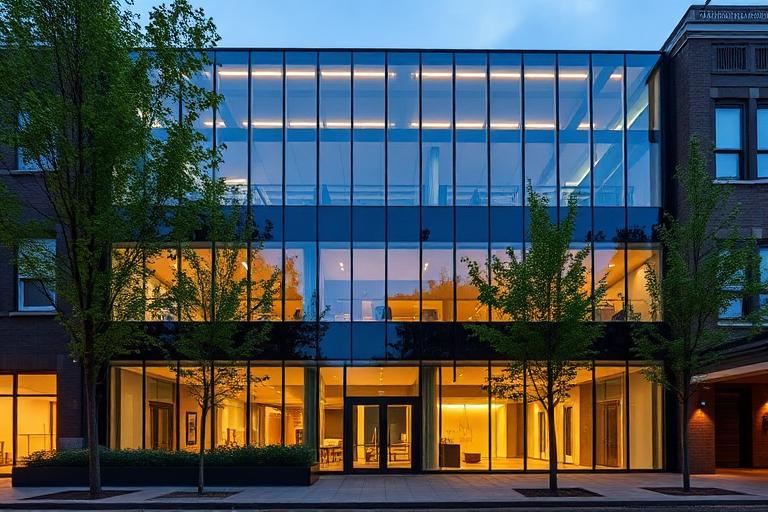
The Light Box in Chiswick is a published fire risk assessment of multi-let offices.
The Light Box, Chiswick · fire risk assessment for a multi-let office building
Request a fire risk assessment quote
We will clarify your scope before preparing a written fee proposal.
Selected clients and project experience
- Sellafield Nuclear Facility
- Battersea Power Station
- Co-op Live
- Wimbledon Quarter
- The Triangle
- Google Data Centres (3)
- Google Bay View (HQ)
- Novotel
- Westminster City Hall
- Chelsea and Westminster Hospital
- Wembley Stadium
- Tottenham Hotspur Stadium
- Etihad Stadium (Manchester City)
- Stamford Bridge (Chelsea FC)
- Craven Cottage (Fulham FC)
- Sports Stadium 2, Qatar
- Allianz Stadium, Twickenham
- Emirates Stadium (Arsenal)
- King Power Stadium (Leicester City)
- Coca-Cola
- Network Rail
- TATA Group
- Bain & Company
- UBS
- McLaren Group
- Romulus Construction
- Hermes
- Collins Construction
- Southwark Council
- UAL — University of the Arts London
- St Paul's Girls' School
- Northampton Partnership Homes
- BBC
- Qatari Diar
For responsible persons and building managers: a written assessment and prioritised action plan.
Know what needs attention first, who will act and how completion will be recorded. The Light Box, Chiswick: fire risk assessment for a multi-let office building.
Magnus Opifex Seven assesses how your premises operate, who could be harmed and whether your precautions protect them. You receive a written assessment and a prioritised action plan so you can decide what needs immediate attention, who will carry out the work and how to check that it has been completed.
- 20+ years
- Senior team experience
- 3 continents
- Team project experience
- £10B+
- Portfolio development value
- 900+
- Completed projects
Experience reflects the senior team’s careers. Full development values of projects represented in the portfolio; Magnus delivered defined fire-engineering scopes. The 900+ figure covers completed projects across the Magnus portfolio, not clients or individual-service totals.
Our fire-engineering team is led by Alina Scarlat. We connect the assessment with the building’s fire strategy, evidence gaps and practical follow-up, with senior legal and commercial support where the appointment needs it.
About Magnus Opifex SevenWho is responsible for your building?
Employers running workplaces and those who control commercial or public premises have a legal duty to assess the risk to people from fire and review that assessment regularly. This applies across the UK to premises such as offices, shops, schools, hospitals, libraries and community venues. If you own, let or operate a building, your duties depend on what you control and the law where the premises are located.
In England and Wales, the Responsible Person for a workplace is the employer where it has any control of that workplace. Owners, landlords, tenants and managing agents may also have duties for the areas, systems or safety arrangements they control. In a community venue run by a voluntary organisation, control of the undertaking can carry responsibility even without paid staff. A council operating a public library can hold duties as both employer and operator.
In a multi-let office, the landlord may control the shared stair and alarm system while each tenant controls its own workspace and staff evacuation arrangements. The parties must cooperate and coordinate. For example, both need to know whether an alarm raised in a tenant’s office can be heard in the common areas and what everyone is expected to do. Appointing MO7 to assess the premises leaves each dutyholder responsible for the matters it controls.
What do you need to record?
In England and Wales, the Fire Safety Order requires a suitable and sufficient fire risk assessment. Since 1 October 2023, every Responsible Person must record the assessment in full, including all findings, and record the premises’ fire safety arrangements. This applies whatever the number of employees. Record the measures taken or planned, groups especially at risk and the outcome of each review.
Scotland and Northern Ireland have separate fire safety laws. Employers and those controlling relevant premises must assess the risks and keep their assessments under regular review. The statutory recording rules in those nations depend on matters such as employee numbers, licensing or registration and any applicable alterations notice. MO7 provides a written assessment and action plan for each commission.
Relevant fire risk assessment experience
These are fire risk assessment appointments, rather than unrelated development values or implied client endorsements.
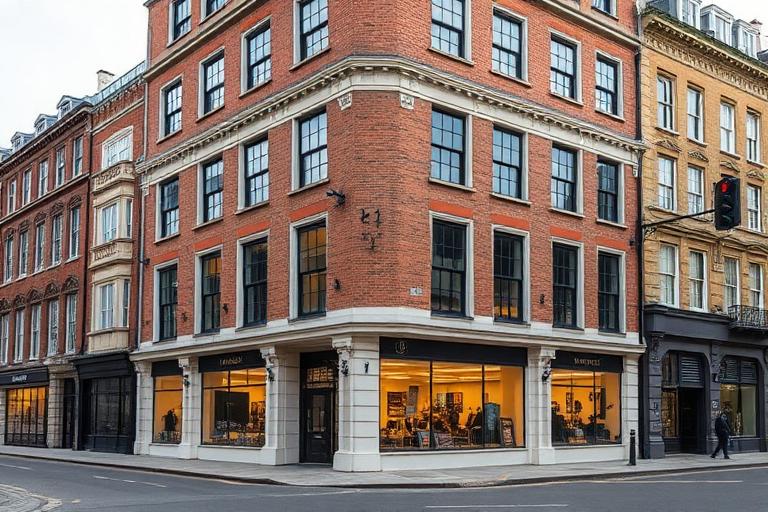
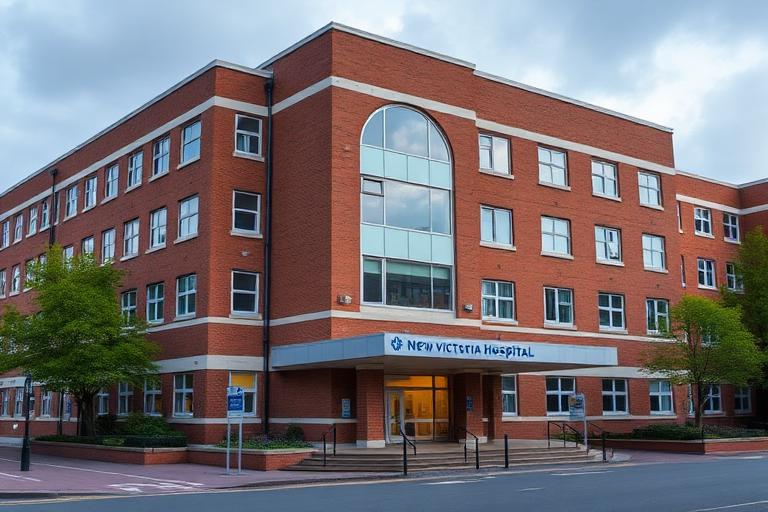
New Victoria Hospital
Fire risk assessment for an operational independent hospital in Kingston upon Thames.
Read project overviewWhen should you review the assessment?
Set a review date that reflects the use of your premises, the people at risk and the findings. Review sooner if something significant changes or you have reason to doubt the assessment. Examples include a fit-out that changes escape routes, a change in staffing that affects assisted evacuation, or a fire or near miss that exposes a weakness. A review may confirm the existing assessment remains suitable or identify that all or part of it needs to be redone.
What MO7 assesses and delivers
We review your previous assessment, available fire strategy, plans, maintenance records and emergency arrangements. On site, we inspect accessible fire precautions and speak to the people responsible for day-to-day operation. We consider ignition sources, combustible materials, escape routes, warning systems, emergency lighting, fire doors and compartmentation. We also consider how staff, visitors, lone workers, contractors and anyone who needs assistance would reach safety.
Our report records the findings, the evidence and any limits on access. The accompanying action plan identifies priorities and recommended timescales. If a concealed detail or a shared system raises a material question, we explain what needs checking, who can provide access and whether interim precautions are needed. Your team can allocate actions, record completion and revisit them at the next review.
An accessible, visual inspection has limits. Those limits are recorded and do not remove the duty to assess material risks: a significant uncertainty needs a defined investigation and, where necessary, interim precautions. Allocate each action to a responsible person and retain evidence of completion.
A coordinated process
01
Agree the premises and responsibilities
Confirm the areas, shared systems, uses and parties controlling them. Review existing assessments, plans and arrangements.
02
Inspect and assess the risks
Examine accessible precautions and actual operation, including the people who may need help, and record material uncertainties.
03
Record, act and review
Issue the written assessment and prioritised action plan. Your team assigns owners, retains close-out evidence and reviews when due or when conditions change.
Before you enquire
Send the location, use, approximate size and storeys, who uses the premises, shared areas and any existing assessment. Tell us about a fit-out, change of use, incident or concern that prompted the enquiry.
Connected lifecycle services
Projects may need several coordinated instructions; these are not automatically included in every appointment.
Related services
Sectors we work across
Questions before commissioning
Who should arrange the assessment?
Start with the employer and the parties controlling the premises. If you lease or share a building, tell us who manages your space, the common areas and shared systems so we can agree the coverage and identify who needs the findings.
Does my assessment expire after a year?
The general legislation sets a duty of regular review. The appropriate interval depends on risk and circumstances. Keep any earlier review trigger under observation, even where a date has already been agreed.
What should we retain?
Keep the assessment and review history, fire safety arrangements, action plan and evidence of completed measures together. In England and Wales, the full record is required even for a business with fewer than five employees.
Will the visit include opening up walls or ceilings?
We identify accessible conditions and record evidence gaps. Where a material issue depends on concealed construction, we can advise on the scope of a targeted intrusive survey.
What do you need for a quotation?
Send the location, use, size and number of storeys, who uses the premises, details of shared areas and any existing assessment. If a change of use, refurbishment or incident has prompted the enquiry, tell us what changed.
What an action register records
This is a blank Magnus example. An assessor’s finding has a reference and location. The register links it to the agreed action, the person responsible, the due date and the evidence needed at review.
The assessor and premises team use it to follow up the FRA.
- Finding reference and location
- Evidence held / evidence missing
- Priority assigned by the appointed assessor
- Action owner and agreed due date
- Status, completion evidence and review record
Illustrative worksheet
The premises team uses this blank Magnus worksheet to track FRA actions and review evidence.
Ask about a relevant reference or anonymised deliverable; we check availability and permission to share.
Request a fire risk assessment or a review of your existing assessment
Tell us what you control and what has changed. We will define the assessment or review, access needs, deliverables, fee and programme.
Request a fire risk assessment quote